


Super Bino Go:Adventure Jungle
1SOFT
Super Bino Go:Adventure Jungle is the kind of adventure game I can understand immediately: move through bright jungle stages, avoid hazards, collect what is useful, and keep pushing toward the rescue of the princess. I played it as a quick, casual platforming option rather than as a deep role-playing game, and that distinction matters. Its strongest quality is how quickly it gets out of the way and lets me play.
Developed by 1SOFT, this free adventure game has a 4.3 average from around 614 thousand ratings and more than 100 million installs. Those figures suggest that its simple formula has reached a very broad audience. The age rating is Everyone, so it is an easy recommendation for families looking for straightforward, colorful action rather than complicated themes or demanding strategy.
The real question is not whether the first few sessions are enjoyable. They are. The more useful question is whether Super Bino Go:Adventure Jungle still deserves space on a phone after the initial novelty fades. My answer is cautiously positive: it works well as a short-session platform game, but players who need constant innovation, a strong story, or a completely interruption-free experience may move on quickly.
Related News

FPS Strike Ops: Modern Arena - A New Force in FPS Gaming

FPS Strike Ops: Modern Arena – Redefining Mobile FPS Gaming
How the game feels from the first week to the long term
The first-week appeal comes from immediate, readable action
My first impression was that the game is built for instant understanding. I did not need to study a large menu or learn a complicated character system before starting. The jungle setting gives each stage a clear visual identity, while the rescue objective provides just enough direction to make the journey feel purposeful. It is a familiar structure, but familiarity is part of the appeal here.
This is especially useful when I have only a few minutes. I can open the game, play a stage, and stop without feeling that I have abandoned a long chain of tasks. That makes it a better fit for a bus ride, a short break, or a moment when I want something active but not mentally heavy. It does not ask me to remember a large amount of story or manage a complicated inventory before I can enjoy it.
Related News

Why WhatsApp Messenger Still Makes Everyday Communication Feel Easy

Jurassic World: The Game Is the Better Dino Tycoon for Strategic Players

Threads in Real Life: Who Should Join, Lurk, or Leave

How SHEIN Turned Shopping Into an Endless Content Feed

How to Make Fortnite Feel Smarter on Mobile

Should You Switch to Microsoft Outlook on Mobile?
The controls are also easier to approach than those of many more demanding platform games. Super Bino Go:Adventure Jungle focuses on movement, timing, and reacting to obstacles. That gives the game a welcoming rhythm for younger players and for adults who grew up with classic side-scrolling adventures but do not want a punishing modern challenge every time they play.
During the first week, the main pleasure comes from learning how the stages behave. I start by moving cautiously, then become more confident about when to advance and when to wait. That small improvement loop is satisfying because it comes from my own timing rather than from building a complicated character. Even a short session can feel productive when I finish a section that initially caught me off guard.
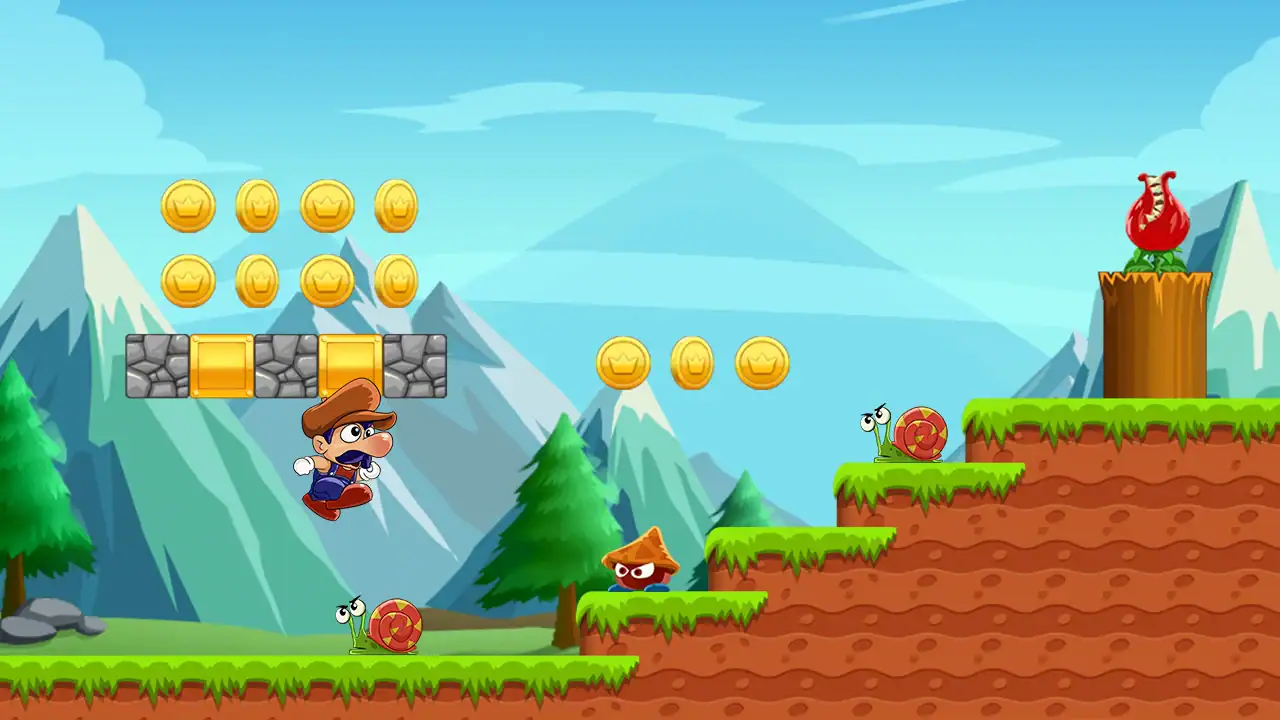
There is also a useful advantage in the visual clarity. A jungle platformer can become frustrating if the background, enemies, and hazards blend together. Here, the presentation generally supports the basic task of reading the path ahead. I can focus on movement instead of trying to decode an overcrowded screen. That is one reason I would suggest it to someone who wants a casual game that can be understood without a tutorial marathon.
Gallery
Where it fits better than heavier adventure alternatives
Compared with large adventure games on mobile, this one is much easier to pick up. Bigger alternatives may offer open worlds, elaborate quests, character upgrades, or cinematic storytelling, but they also demand more storage, more time, and more attention. I would choose Bino when I want a compact platforming routine rather than an ongoing second life inside my phone.
It also has a different appeal from endless runners. An endless runner is excellent for reflex practice and quick repetition, but its continuous format can make every session feel similar. A stage-based jungle adventure gives me a clearer sense of beginning and completion. I can finish a section and put the phone away instead of stopping at an arbitrary moment.
On the other hand, players who prefer precise physics, highly competitive leaderboards, or a deep progression system may find the usual alternatives more rewarding. This is not the game I would pick for serious competition or for a story I expect to remember years later. Its value is convenience and accessible platforming, not complexity.
Small habits that make early sessions less frustrating
My most useful early tip is to avoid rushing through unfamiliar sections. The bright setting can make the game feel relaxed, but platforming still rewards patience. I get better results by watching the rhythm of hazards before committing to a jump or forward movement. Treating each new area as a short observation exercise is more effective than repeatedly charging ahead.
I also found it helpful to separate progress from speed. Finishing a section safely is more valuable than trying to move as quickly as possible on the first attempt. Once I understand the layout, I can replay it with more confidence. This two-pass approach reduces the feeling that a mistake has wasted the entire session.
For a child playing on a shared device, I would recommend setting a simple routine: one or two stages at a time, followed by a break. The game is easy to understand, but its colorful presentation can encourage “just one more” attempts. That is not a flaw unique to this title, though it is worth remembering when the game is being used as a short entertainment option rather than an all-evening activity.
Why the second and third weeks feel different
After the initial discovery period, the game’s appeal becomes more dependent on whether I enjoy repeating the same basic style of play. The rescue premise remains a useful frame, but it does not replace variety by itself. Once I am comfortable with the controls, the central question becomes whether the stage challenges continue to make me adjust my timing.
This is where expectations matter. If I want a relaxing platform game that I can revisit between other activities, the familiar structure continues to work. If I expect every return to introduce a major new mechanic or a dramatic change in direction, the experience may start to feel routine. I would describe the game as dependable rather than endlessly surprising.
That dependability is valuable for some players. I often prefer a game that lets me return after several days without needing to relearn an elaborate system. Bino’s straightforward design makes it easy to resume. I do not have to reconstruct a complicated quest log or remember the details of a long narrative before the next session makes sense.
Month-to-month value depends on your reason for returning
Over a longer period, I think the game works best as a rotation title. I would keep it installed alongside other games and return when I want simple jungle platforming, not rely on it as my only source of mobile entertainment. That approach matches its strengths: low learning cost, short sessions, and a clear adventure objective.
The game’s free price makes that arrangement easy to justify. There is no purchase required to try the core experience, while optional in-app purchases range from under one dollar to ten dollars per item. I would treat those purchases as convenience choices rather than part of the reason to install the game. Anyone who prefers a completely controlled spending environment should review the device’s purchase settings before handing the phone to a child.
For families, the Everyone age rating is reassuring in terms of broad accessibility, but an age rating does not decide whether a child should play without supervision. I would still explain that optional purchases cost real money and establish a clear rule before the first session. That is a practical step with any free-to-start mobile game, and it is more useful than assuming the absence of an upfront price means the game has no spending decisions.
One of the title’s more practical strengths is its role as a low-pressure fallback. When I am tired, I may not want a strategy game that requires planning or a competitive game that makes every mistake feel important. A few platforming attempts can fill that gap. The game is also suitable for someone who wants to introduce a younger player to basic movement and timing without immediately placing them in a complex online environment.
Still, long-term value is limited if I need a strong reason to return every day. The rescue goal gives the adventure direction, but the lasting habit comes mainly from enjoying the act of playing. That means the game will remain useful for players who like repeating accessible stages, while others may finish their curiosity and uninstall it once they have seen enough of the formula.
Maintenance is light, but the routine is not completely frictionless
The current version is 4.5.83.304 and requires at least Android 10. For someone using a recent Android phone, that should make the compatibility question fairly simple. The more important practical check is whether the device meets that operating-system requirement. People using older hardware should confirm compatibility before planning around the game.
Because this is a mobile game with optional purchases, my maintenance advice is simple: keep purchase controls clear, watch how much time the game is taking, and avoid treating every return as a reason to spend. Those habits matter more than constantly adjusting settings. A casual title should reduce friction in my day, not create a new routine of monitoring it.
I also prefer to keep notifications from casual games limited when possible. A game like this is more enjoyable when I choose the moment to play rather than feel pulled back by every reminder. That is not a criticism of the platforming itself; it is a way of protecting the reason I installed it in the first place. Its best role is on-demand entertainment, not a demanding daily obligation.
Another maintenance issue is emotional rather than technical. If repeated failed attempts begin to feel irritating, I take a break instead of immediately replaying the same section. Short platform games can encourage automatic retries, and that loop is not always productive. Returning later with a calmer approach usually gives me a better experience than turning a five-minute diversion into a frustrating contest.
What creates fatigue after the novelty fades
The biggest source of fatigue is repetition. The basic pleasure of moving through jungle stages is clear from the beginning, so the game has to rely on level design and the player’s enjoyment of timing to stay fresh. If those elements stop feeling rewarding, there is not a large story system or social layer here to provide a completely different reason to continue.
I also think the game may feel too familiar to experienced platforming fans. Players who have spent years with polished console-style adventures may want tighter precision, more distinctive worlds, or a more demanding difficulty curve. Bino is easier to recommend to someone seeking approachable entertainment than to someone searching for a definitive platforming challenge.
Another possible weakness is the gap between casual accessibility and personal challenge. A beginner may appreciate the forgiving, readable structure, while an expert may move through the early experience without enough resistance. That does not make the design wrong; it means the right audience is important. I would not install it expecting the intensity of a specialist action-platformer.
Optional purchases can also affect how comfortable the game feels over time. I appreciate that the game can be tried for free, but I am more cautious with any title offering items for purchase. The safest approach is to decide in advance whether I am willing to spend at all. If the answer is no, I would use device-level restrictions and focus on the free experience without allowing purchase prompts to shape my play.
There is a subtler kind of fatigue too: the game can become background entertainment rather than a memorable adventure. That is fine when I want something disposable and pleasant, but it may disappoint me if I am hoping for characters or a world that develops in a meaningful way. The princess-rescue objective gives the stages a destination, yet my attachment depends more on the moment-to-moment play than on narrative depth.
Who should keep it installed, and who should skip it
I would keep it installed if I wanted a free, family-friendly jungle platformer for short breaks. It is particularly suitable for players who enjoy clear goals, colorful adventure settings, and gradual improvement through repeated attempts. It also makes sense for someone moving from simple arcade games toward platforming, because the basic objective is easy to grasp.
I would recommend skipping it if I wanted a large world, a serious story, online competition, or a game that constantly changes its systems. A premium platformer may be a better choice for someone who dislikes optional purchase structures and would rather pay once for a more focused experience. An endless runner may suit someone who values immediate repetition more than stage completion.
For a realistic everyday use case, imagine waiting for an appointment with only a short amount of time available. I would choose Bino over a large role-playing game because I can start playing without preparing a build or remembering a quest. I would stop after completing a manageable section, then return to the rest of my day. That is the kind of practical usefulness that keeps this game relevant for me.
My long-term verdict on Super Bino Go:Adventure Jungle
After the first-week excitement settles, Super Bino Go:Adventure Jungle earns lasting space only when its simple platforming matches the way I use my phone. It is not a game I would describe as endlessly deep, but it is a convenient and approachable adventure that understands the value of a short session. The free entry point, Everyone rating, and familiar jungle journey make it easy to recommend with sensible expectations.
Its strongest long-term quality is reliability. I know what kind of experience I am opening: direct movement, obstacle timing, and a clear rescue-oriented adventure rather than a complicated system to manage. That consistency is a benefit when I want low-pressure entertainment. It becomes a limitation when I need surprise, precision, or a richer reason to return.
My final recommendation is to try it if you enjoy casual platforming and want a game that can sit quietly in your rotation. Give it enough time to see whether the stage rhythm itself keeps you interested, not just whether the first colorful sessions are pleasant. If you still enjoy improving your timing after the novelty fades, it has earned its place. If every return feels like repeating the same task without satisfaction, another type of adventure game will serve you better.
FAQs for Super Bino Go:Adventure Jungle
What is the main objective of Super Bino Go: Adventure Jungle?
Super Bino Go: Adventure Jungle is a classic platformer game where the main objective is to guide the character, Bino, through various levels filled with obstacles and enemies. Players need to collect coins, defeat enemies, and overcome challenges to rescue the princess from the final boss. It's an engaging game that combines nostalgia with modern graphics.
Is Super Bino Go: Adventure Jungle free to play?
Yes, Super Bino Go: Adventure Jungle is free to download and play. However, like many mobile games, it includes in-app purchases. Players can buy items such as power-ups and additional lives to enhance their gaming experience. While these purchases are optional, they can provide advantages in more challenging levels.
What are the system requirements for Super Bino Go: Adventure Jungle?
Super Bino Go: Adventure Jungle is available on both Android and iOS platforms. For Android users, it requires Android version 4.1 or higher. iOS users need to have iOS 9.0 or later. The game is optimized for both smartphones and tablets, ensuring a smooth playing experience across devices.
Are there any parental controls in Super Bino Go: Adventure Jungle?
Super Bino Go: Adventure Jungle is designed to be family-friendly and suitable for all ages. However, since it includes in-app purchases, parents may want to set up parental controls to prevent unauthorized purchases. Both Android and iOS devices offer settings to restrict in-app purchases and manage screen time effectively.
How can I troubleshoot issues with Super Bino Go: Adventure Jungle?
If you experience issues with Super Bino Go: Adventure Jungle, start by ensuring you have the latest version installed. Check your device’s storage and close other running applications to free up resources. If problems persist, try restarting your device. For persistent issues, contacting the developer through the app store support page is recommended.
Pros
- Engaging and colorful graphics.
- Simple controls
- easy to learn.
- Offline play available.
- Regular updates with new levels.
- Suitable for all age groups.
Cons
- Contains in-app purchases.
- Ads can be intrusive.
- Limited character customization.
- Repetitive background music.
- Lacks multiplayer mode.


